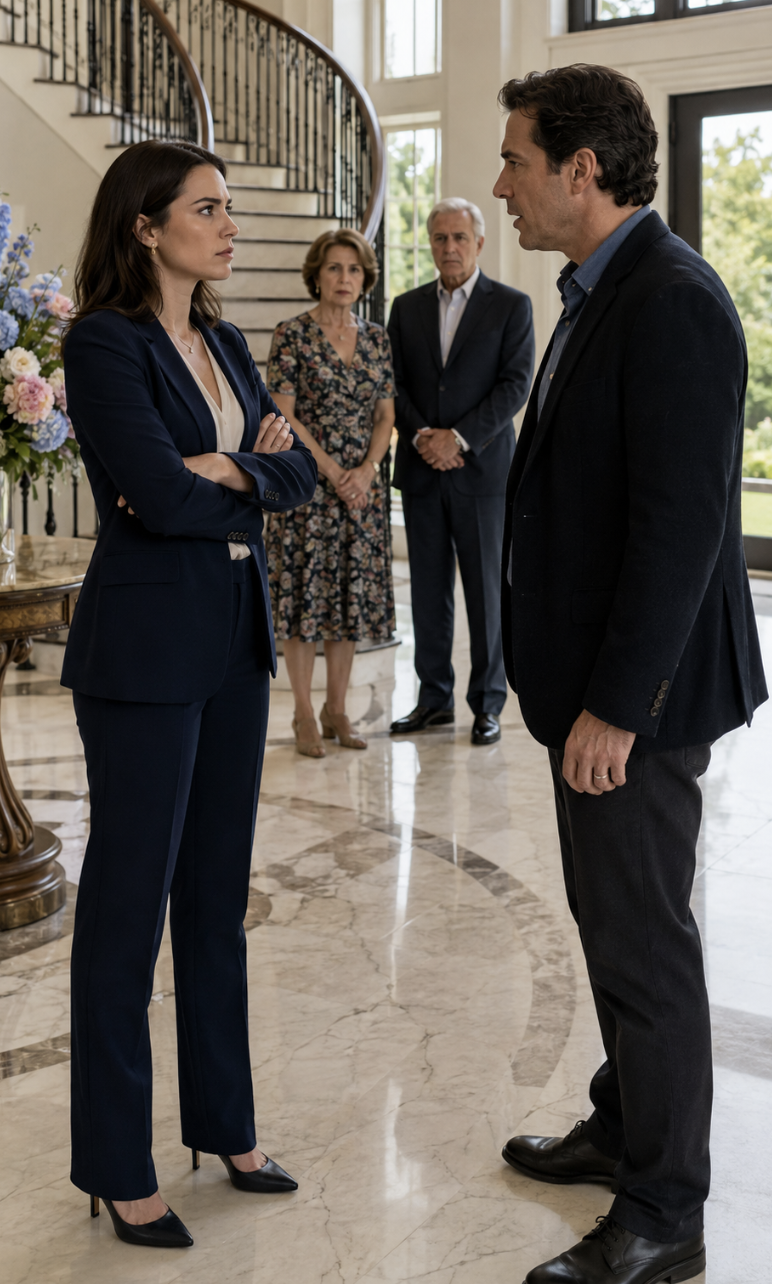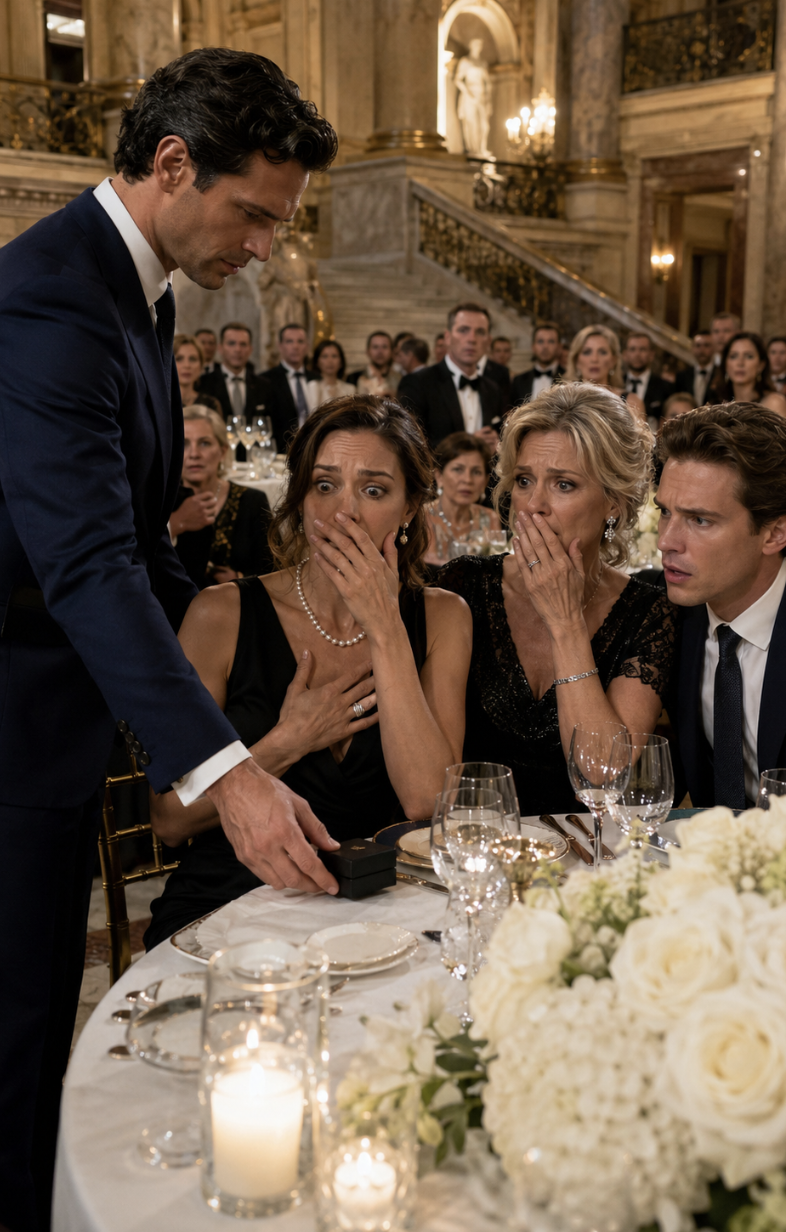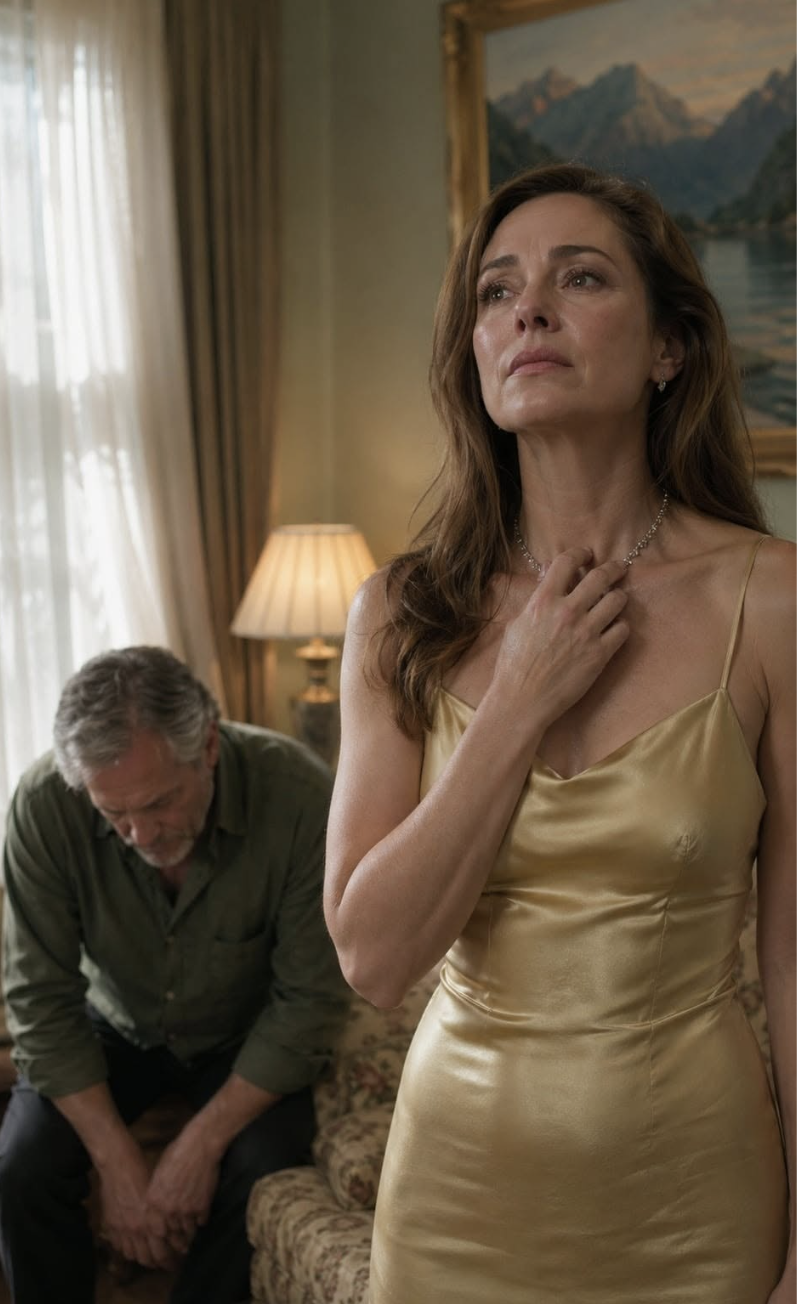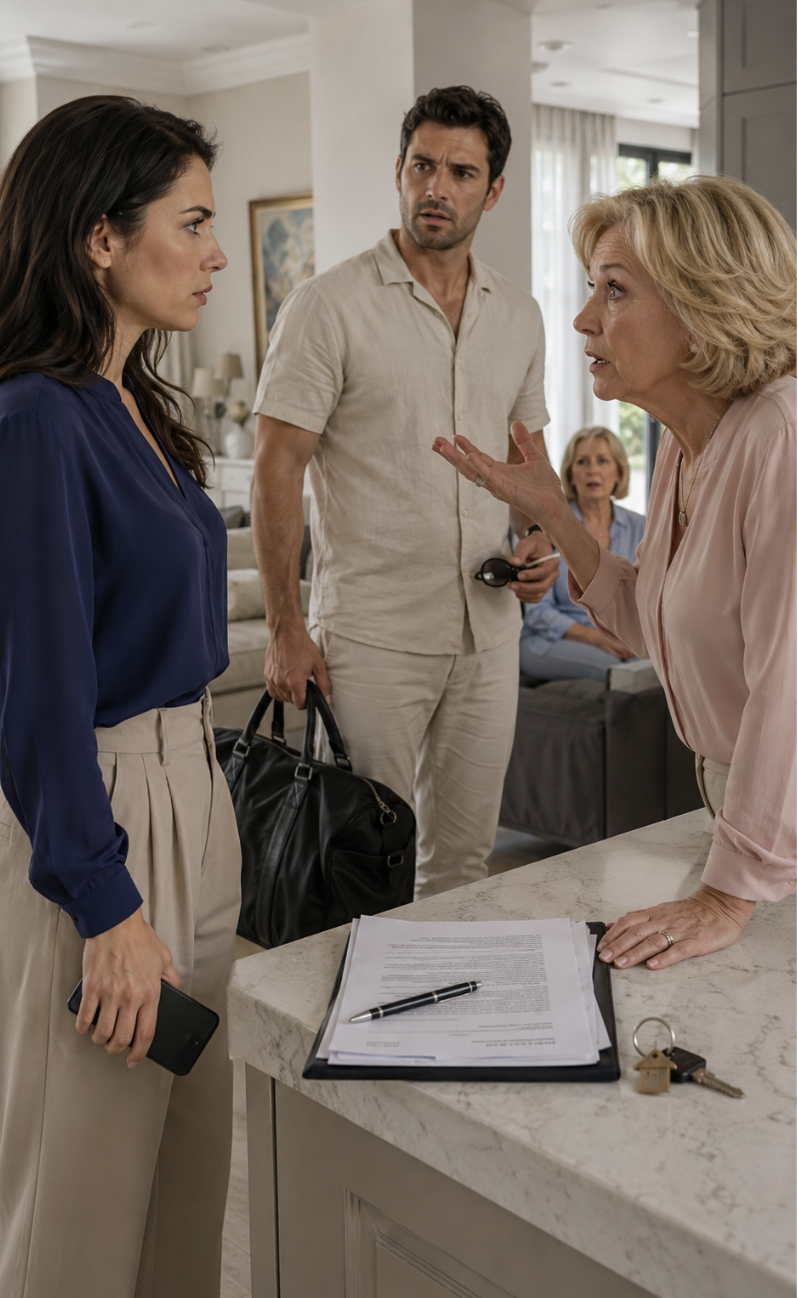
Mia madre mi ha abbandonata quando avevo tredici anni. Non si è mai voltata indietro, non ha mai chiamato. Quindici anni dopo si è presentata alla lettura del testamento di mio padre, convinta che milioni sarebbero spettati a lei..The recording ended. The silence was so thick it was hard to breathe. My mother slumped in her chair. For the first time, I saw her without emotional makeup, without her weapons. “Marcus… I…” But her voice broke. I took a deep breath. I had fifteen years of wounds weighing me down, but also fifteen years of growing up alone, of getting up without help. I didn’t need revenge. I needed clarity. “I didn’t come here to see you suffer,” I told her with cold sincerity. “I came to put an end to this.” Her eyes filled with tears I didn’t know whether to believe. “I can help you with a lawyer,” I continued, “but the inheritance is mine. Dad decided it. And I respect that.” She buried her head in her hands. She didn’t scream, she didn’t put on a show. She simply broke down. It was the first time I’d seen the human side of Claudia. The news spread quickly among family and friends: I, Marcus Varela, had inherited everything, and my mother wouldn’t receive a penny. Those closest to her knew about her abandonment, but no one imagined my father had left such irrefutable proof. It was his way of protecting me even after death. During the following weeks, Claudia tried to contact me several times. First short messages, then endless calls, and finally a handwritten letter. I ignored it at first, not out of cruelty, but because I needed to understand what she was feeling. I’d spent years imagining this encounter, fantasizing about telling her everything she’d done to me. But when the confrontation finally happened, there was no satisfaction, only a strange emptiness. One day I received a notification from the notary: Claudia wanted to request a legal review of the will. I wasn’t surprised. The strong, impeccable, and ambitious Claudia still lived on beneath the emotional wreckage. I met with my lawyer at a café on Calle Atocha, a small place where the sound of traffic mingled with the aroma of freshly ground coffee. He reviewed the documents and said: “Marcus, she doesn’t stand a chance. Your father documented absolutely everything. This is more emotional than legal.” “I know,” I replied. “But I want to hear her side of the story.” My lawyer looked at me with a mixture of respect and concern. I agreed to meet her in a park in Chamberí. Claudia arrived wearing a long coat, sunglasses, and a tired expression. She wasn’t the arrogant woman from the notary’s office; she seemed smaller. “Thank you for coming,” she murmured. We sat on a bench. The leafless trees trembled in the December wind. “I don’t want your money,” she said suddenly. “You always did,” I replied gently. She sighed. “Yes. For many years I lived to survive, Marcus. I made terrible choices. I got involved with the wrong person… and I ran away. You don’t have to believe me, but when I left… I didn’t know how to come back without destroying you even more.” “Disappearing destroyed me just the same,” I said. Claudia lowered her head. “I don’t want to justify myself. I just want you to know I’m sorry.” Silence settled between us again. For the first time, I thought about something: my father didn’t leave the recording to punish her, but so we could both face the truth. So I could stop hoping for the impossible… and so she could stop pretending. “Claudia,” I finally said, “I don’t need a mother. I grew up without one. But if you want… we can talk from time to time. No promises.” She burst into tears, but not loudly. It was a weary, silent cry. I nodded in a gesture of peace. Not total reconciliation. Not absolute forgiveness. Just… a more honest beginning. When I stood up to leave, she touched my arm. “Marcus? Thank you for not closing the door on me.” “Thank you for at least trying to open yours.” I left without looking back, but not with resentment. For the first time in a long time, I felt that the story that had begun when I was thirteen could finally come to an end. Not because she came back. But because I, finally, decided to let her go.
Mia madre mi abbandonò quando avevo tredici anni. Non si voltò mai, non chiamò mai. Quindici anni dopo si presentò all’apertura del testamento di mio padre, convinta che i milioni sarebbero finiti a lei. Entrò con i tacchi, un sorriso e un profumo troppo caro… finché non la fissai dritta negli occhi e la zittii. … Read more